
ABOUT FURUSATO NO AJI
From a long relationship with Japan came a simple question:
what comes next?
Connecting Generations Through Japan's Living Heritage
Japan has been part of my personal and professional life for more than three decades. Furusato no Aji grew from admiration and curiosity, but also from a question about continuity.
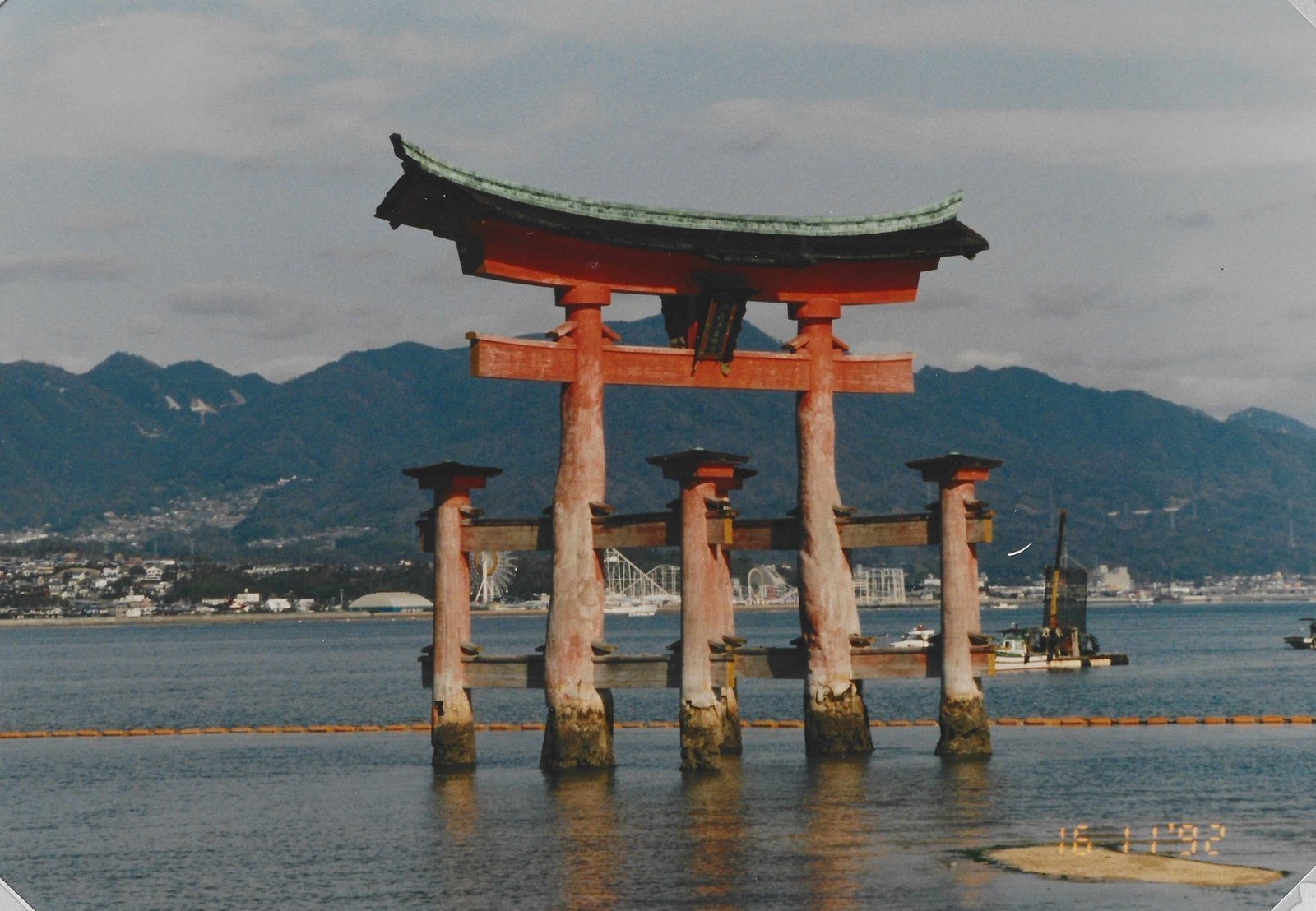
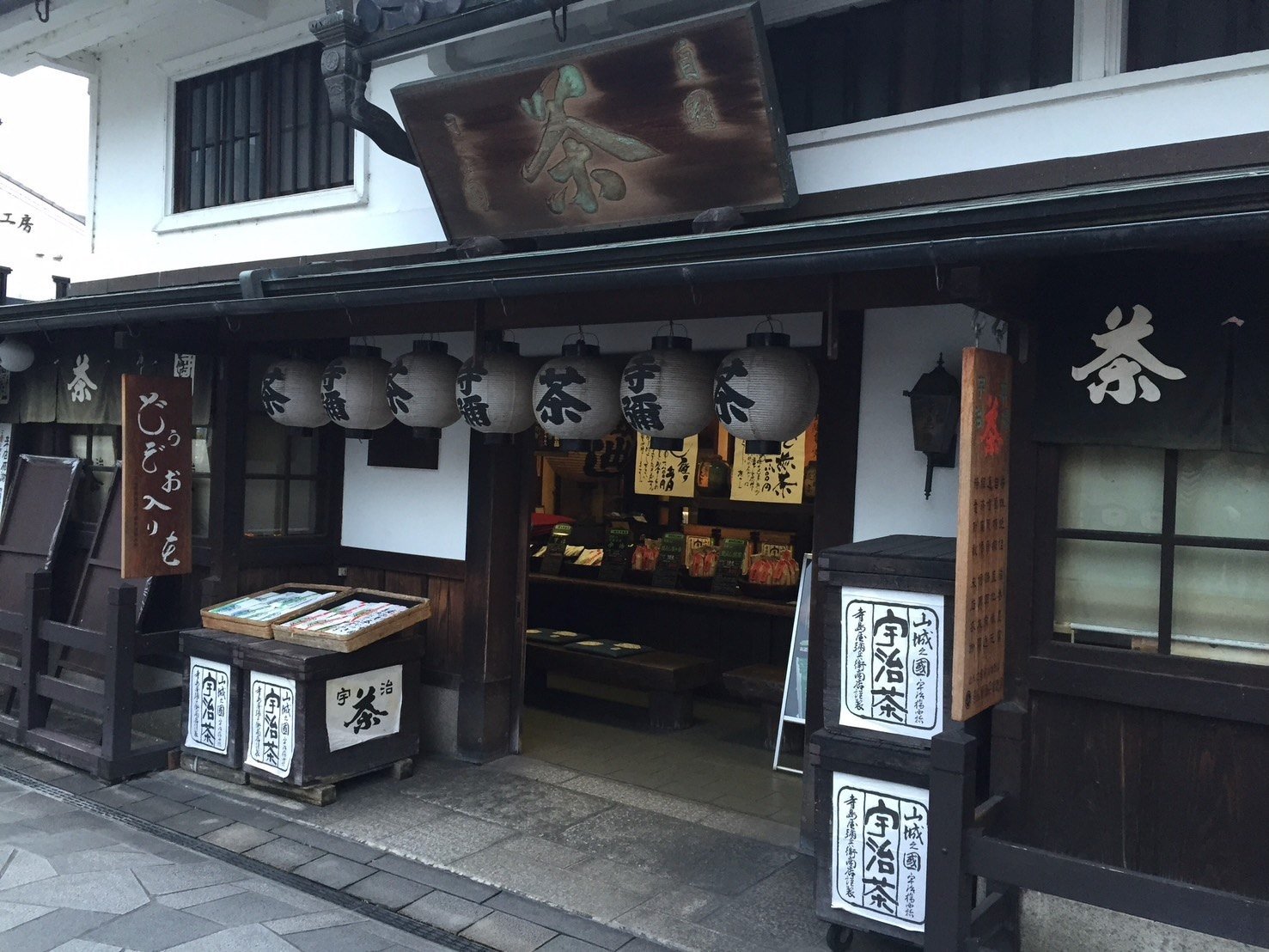
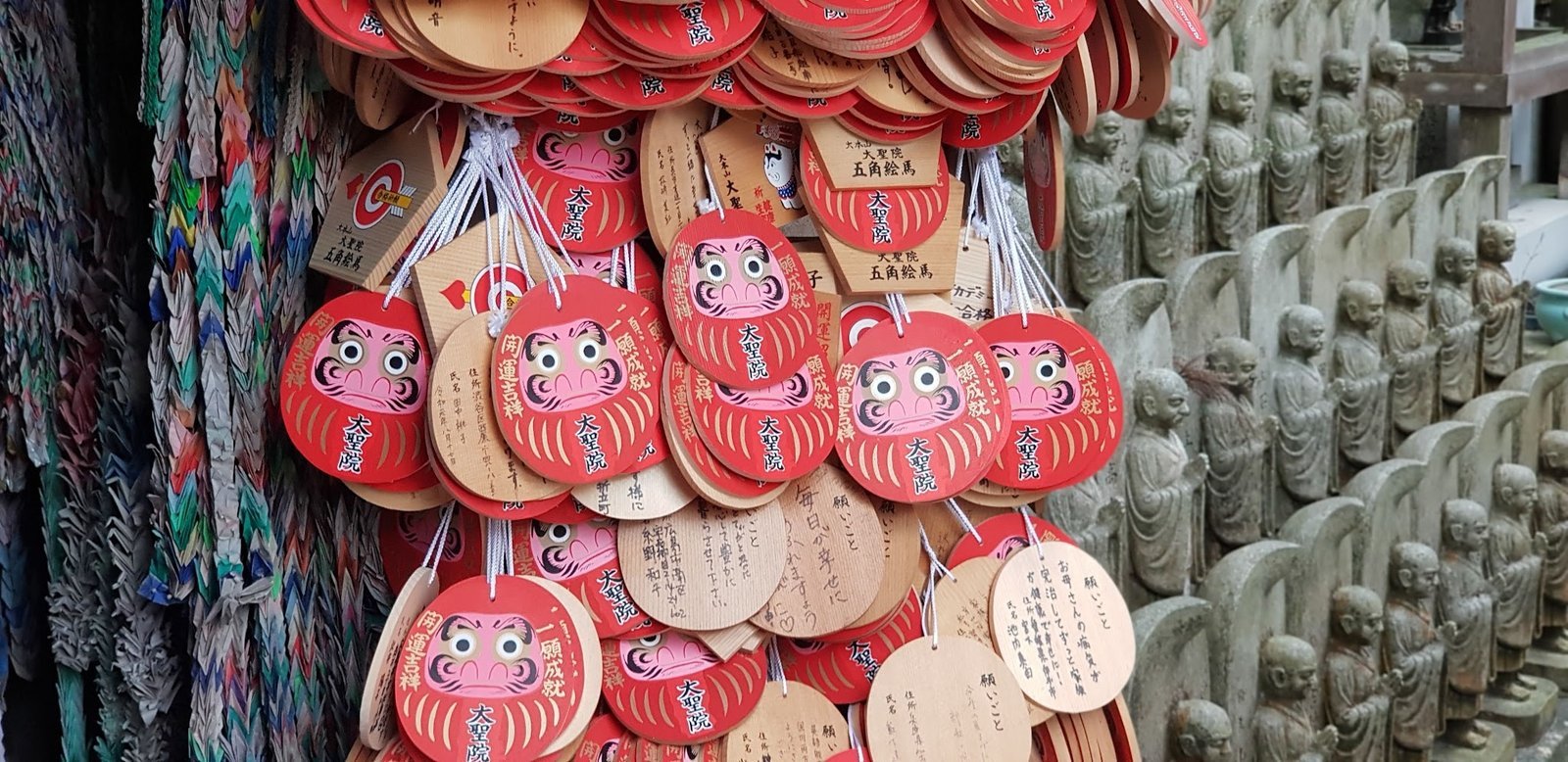
Our Story
Japan has been part of my personal and professional life for more than three decades. The idea for Furusato no Aji became more personal years ago while I was walking through abandoned villages in the Noto Peninsula. I felt not only the loss of buildings, but the quiet disappearance of stories, skills, relationships, and ways of life that had shaped generations.
That experience stayed with me because much of what disappears is difficult to see: routines, judgement, local relationships, family knowledge and a sense of place.
Furusato no Aji grew from a simple question: can these living legacies be documented, understood and connected with people who may help them continue?
Why It Matters
Japan’s regional traditions are not preserved in museums alone. They live in family businesses, workshops, kitchens, inns, farms and communities where knowledge is carried from one generation to the next.
When that continuity is interrupted, more than a business can be lost. Skills, relationships, local identity and cultural memory may disappear with it.
But continuity can take new forms. A successor, apprentice, family, partner or carefully chosen connection may give an old story another chapter. Furusato no Aji explores where storytelling, local knowledge and practical connections may help create that next step.
THE FOCUS
What We Connect
Furusato no Aji focuses on living food traditions, crafts and skills, family businesses, and the communities around them.
01
Living Food Traditions
Regional recipes, local ingredients, and food traditions passed from one generation to the next.
02
Crafts & Skills
Artisans, workshops, and techniques that preserve knowledge through hands-on practice.
03
Family & Place
Long-standing businesses seeking new energy, successors, partners, or wider recognition.
04
Rural Communities
People and places working to keep local identity, employment, and cultural memory alive.
ACROSS GENERATIONS
Experience and new energy belong in the same story.
Older owners and artisans carry knowledge, judgement and relationships built over decades. Younger makers and successors can bring new tools, markets and ways of living.
Families and communities give continuity a place to live. The aim is not to replace one generation with another, but to create room for knowledge and new energy to meet.
HOW I SEE THE WORK
Respect first. Solutions second.
Furusato no Aji does not assume that every tradition must be saved, or that an outsider knows what a community needs.
The useful starting point is to listen: what does an owner want? What does a family value? What does a community hope to keep? What may need to change?
Storytelling can make invisible value visible. The right connection may then create a practical possibility.
A PRACTICAL STARTING POINT
Start small. Learn from one place.
Furusato no Aji is still in development. A first pilot does not need to be large. It could begin with one community and a small number of family businesses, crafts or food traditions selected together with local partners.
The first phase is simple: identify, listen, document, connect and review. The aim is to understand each owner’s priorities and constraints, test where succession, mentorship, storytelling or outside connections may be useful, and create a small evidence base for deciding what is worth pursuing next.
For a municipality or regional organisation, the contribution can also begin simply: help identify cases, local partners and priorities.
GET INVOLVED
A useful first step can be very small.
If you know a person, business or community worth listening to, a conversation is enough.