
STORIES
People.
Places.
Next chapters.
A story is not valuable because it is old. It is valuable because it helps us understand what people carry, why it matters, and what might still be possible.
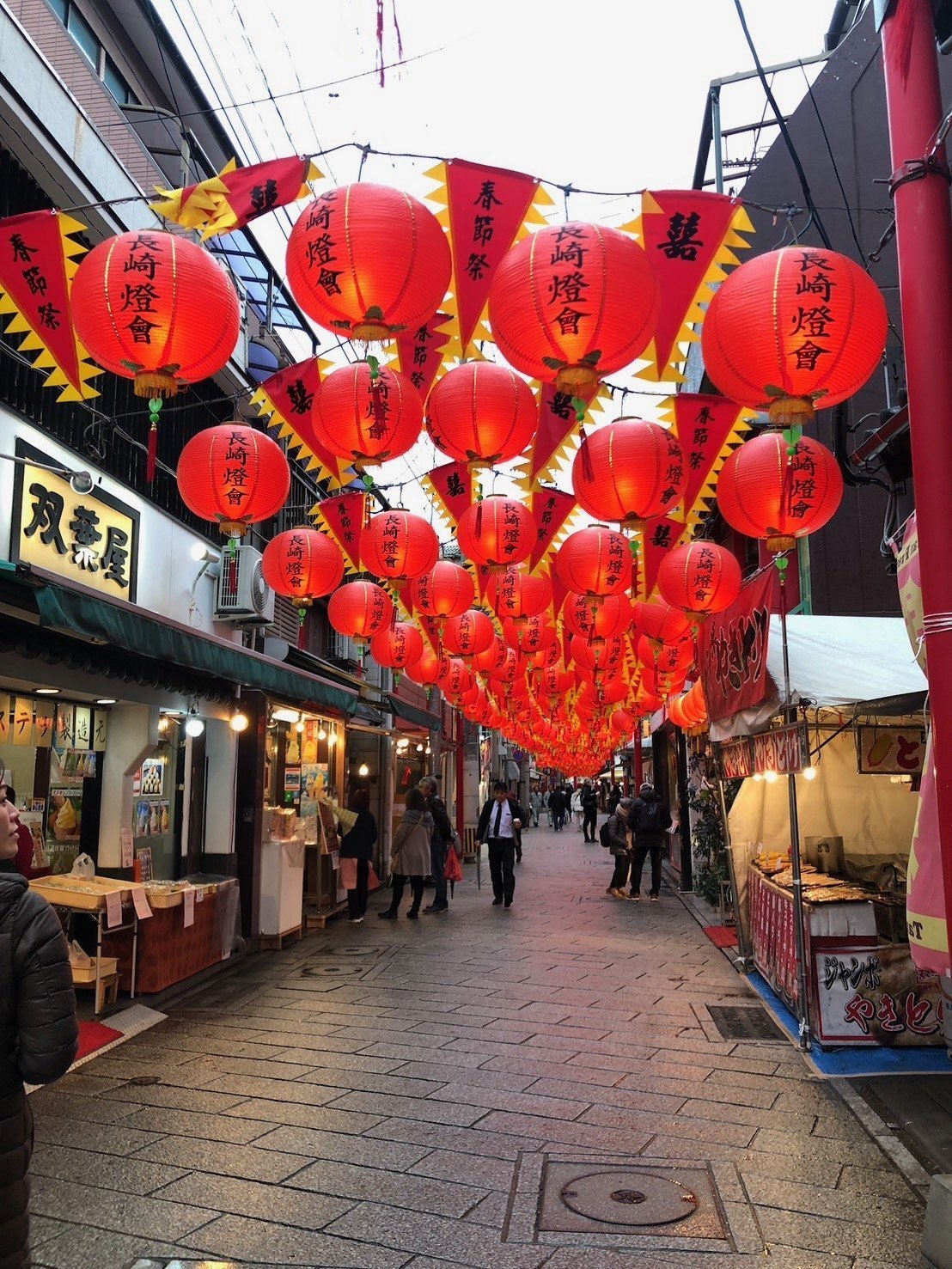
PERSONAL MEMORY · KOBE, JANUARY 1995
What We Carry With Us
“What people search for in the ruins tells another story.”
The morning after the earthquake in the Kobe area, I made a decision that was not especially well planned. I was a student with little money and used to travelling around Japan by hitchhiking, so I made a sign that simply said “Kobe” and started heading west.
After a restless night in a small tent in Nishinomiya, I still had no idea where to go or whom to ask. A family stopped for me, an older couple and their adult son. When I explained why I had come, they said, “Perhaps you can help us.”
Their home had been badly damaged. Inside the ruins were kimono, jewellery, everyday clothes and small belongings that had belonged to the family for generations. I crawled inside and began bringing them out, one by one.
By evening we had gone our separate ways. I did not know them before that day and never saw them again. But the memory stayed with me. A building can be rebuilt. What people search for in the ruins tells another story.
FROM THE ROAD · NOTO PENINSULA
The Driver Who Came Back
“Some journeys stay with us because of the person behind the wheel.”
Years ago, while hitchhiking through the Noto Peninsula, an elderly man picked me up. He was quiet. Very quiet. His driving, unfortunately, was considerably more expressive.
The road was narrow, the bends were sharp, and after some time I became convinced that continuing required more courage than I possessed. I asked him to let me out, thanked him, and watched the car disappear.
Then I waited. Nearly an hour passed without another ride. Eventually a familiar car appeared in the distance. The same elderly driver stopped again. By then I had reconsidered both my fear and my options, so I climbed back in.
I remember very little of what we said afterward. Perhaps almost nothing. But I remember the strange mixture of fear, relief and humour as we continued. Some meetings last only an hour and stay with us for decades. 一期一会.
PLACE & FOOD · RISHIRI ISLAND
Straight from the Sea
“Living culture often looks ordinary while it is still alive.”
On Rishiri Island, I once found myself free diving with people I had only recently met near a campsite. There was no organised experience, no tour and no careful plan.
I remember the cold water, the people around me, and eating sea urchin there almost straight from the water.
Years later, the memory is not only about taste. It is about how naturally food, place and people belonged together. Nobody called it heritage. It was simply part of life.
That is one of the ideas behind Furusato no Aji. Living culture is often most visible when nobody is trying to preserve it. It is carried through ordinary acts.
HOW A STORY IS BUILT
Not nostalgia.
Context, and possibility.
Every story should help us understand both what is being carried and what the person hopes for next.
01
The Person
Who carries the knowledge, and what has their life taught them that a manual cannot?
02
The Practice
What does the work actually require, time, judgement, materials, repetition and tacit skill?
03
The Place
How is the tradition connected to local customers, landscape, history and community?
04
The Next Chapter
What does the person actually want, and who might be part of that future?
PERSONAL ARCHIVE
Images that keep questions, and life, visible.
These first stories begin with personal memory. Alongside them, photographs from my own archive and from friends offer another kind of record: atmosphere, everyday rituals and places still full of life.
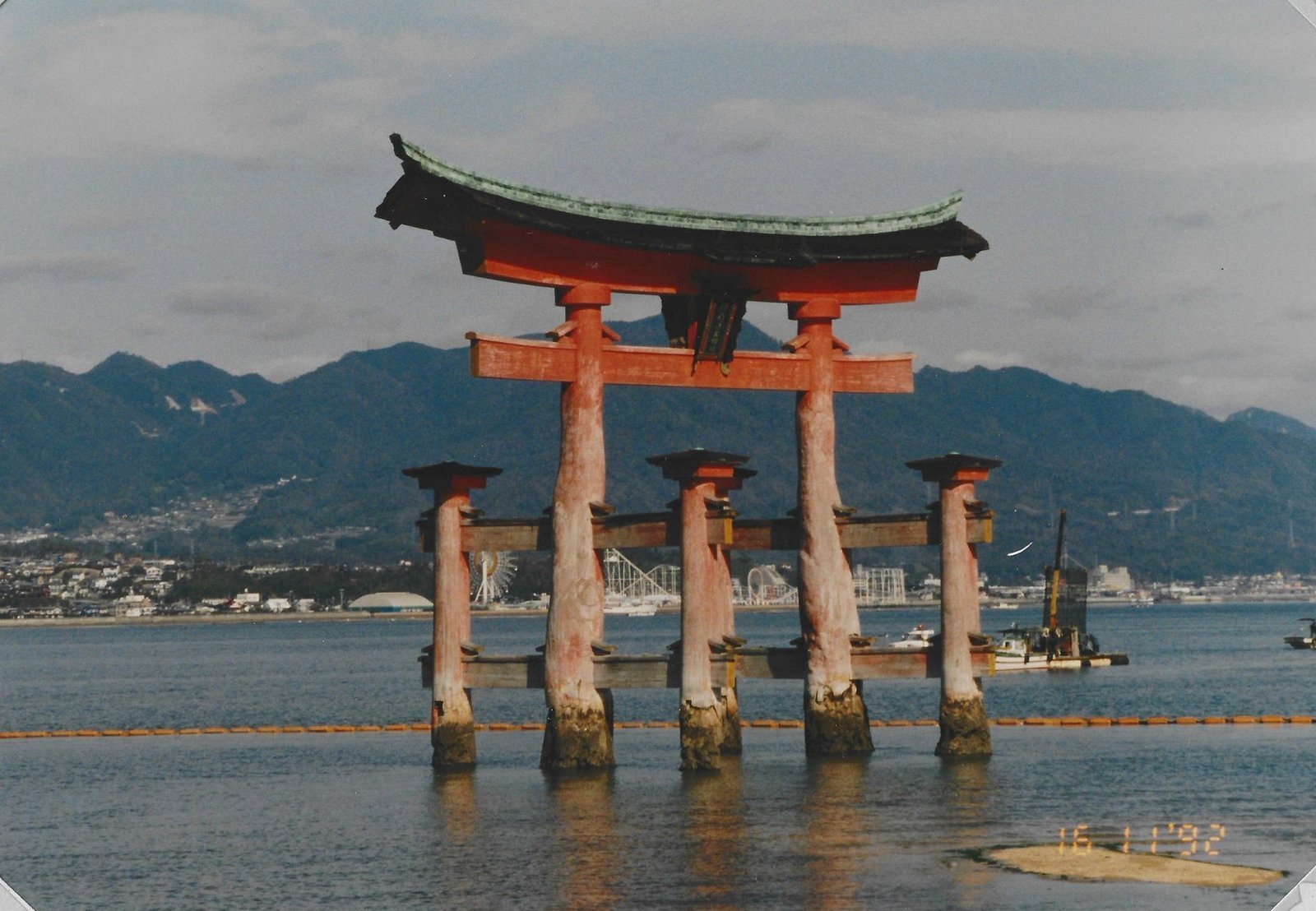
1992 • PERSONAL ARCHIVE
Itsukushima
An old film photograph, imperfect and physical. Memory often begins with small personal records.
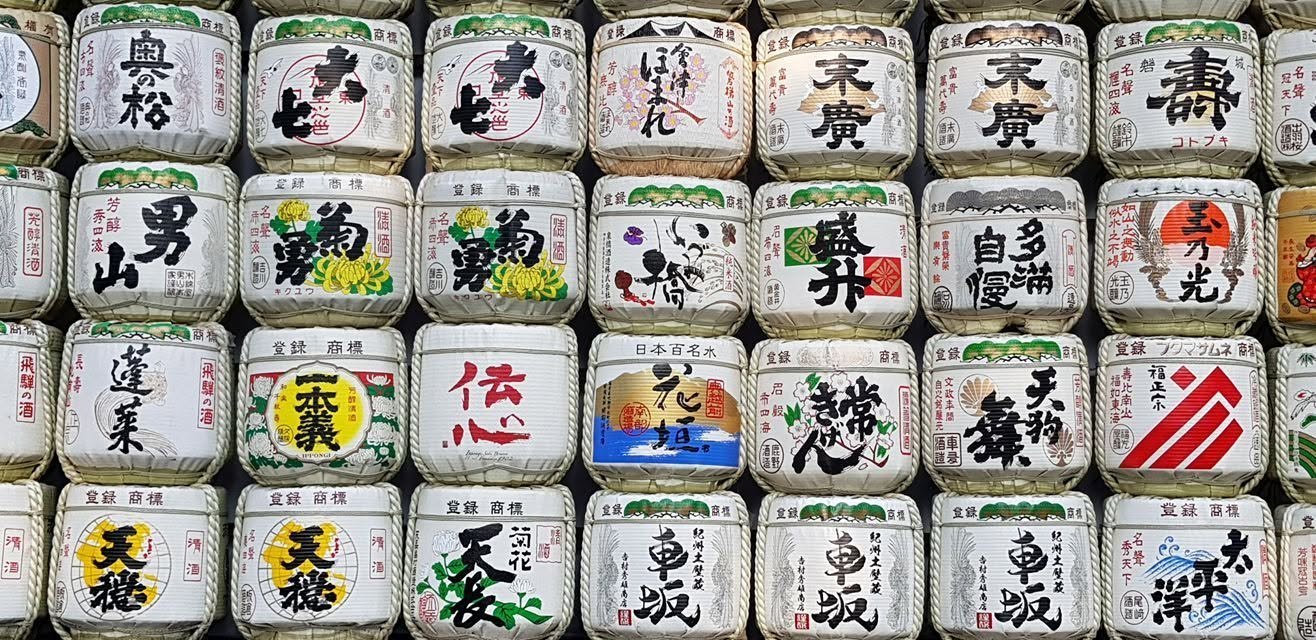
PERSONAL ARCHIVE
Shared Symbols
Tradition is often visible in ordinary public places, familiar forms that people recognise without explanation.
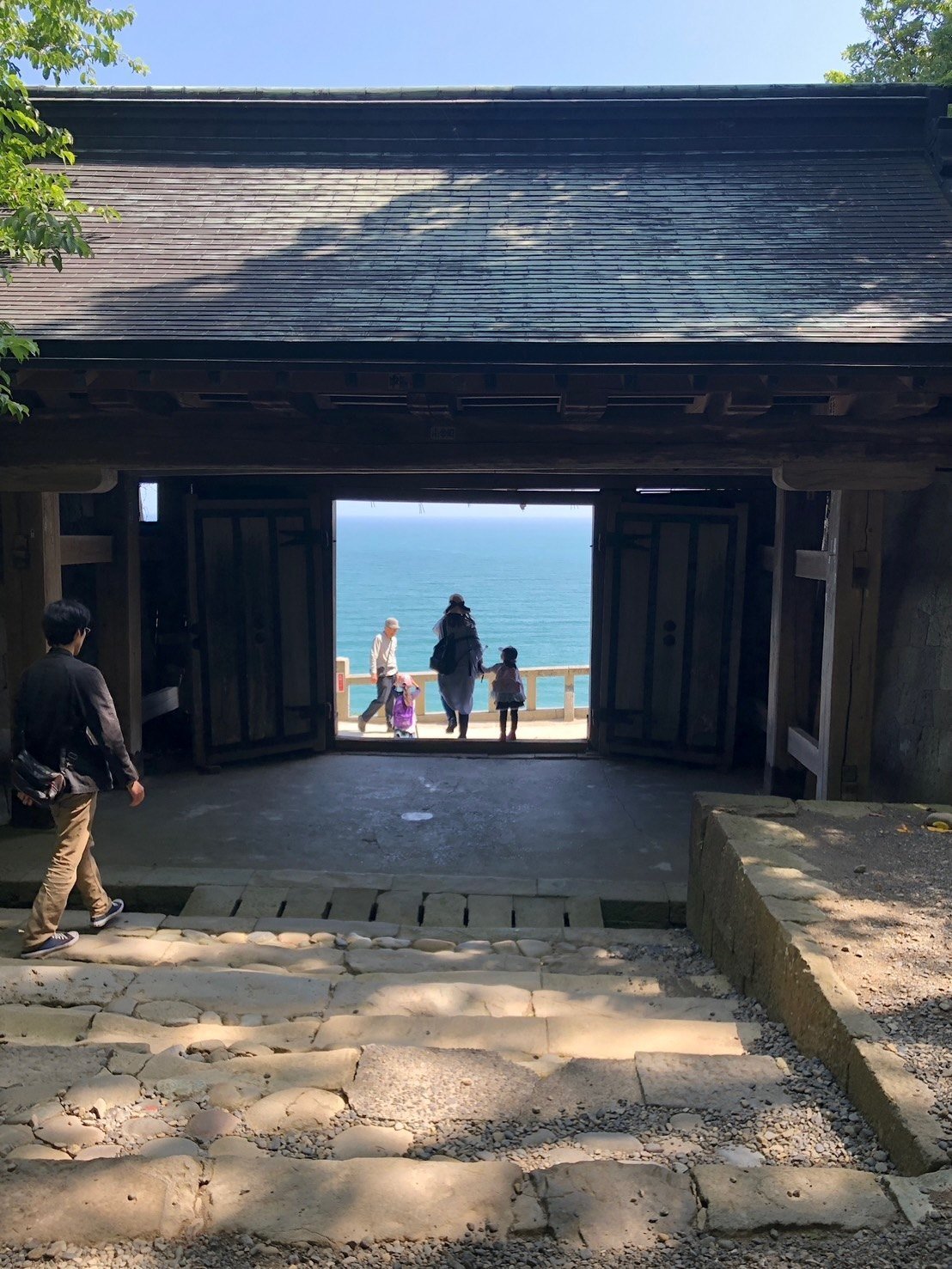
PHOTO BY TAKA
A View Beyond the Gate
Places can hold memory while still opening toward something new.
GET INVOLVED
Know a person or place I should meet?
A workshop, family business, food tradition, inn, farm, community, or simply someone carrying knowledge that matters.